
Struggling to Find Your Bra Size? A Complete Guide for Fuller Bust Women
Finding the right bra size shouldn’t feel like solving a puzzle.
Yet for many women—especially those with a fuller bust—shopping for a bra can be one of the most frustrating clothing experiences. You may try on bra after bra, only to leave the store with sore shoulders, an uncomfortable fit, or no purchase at all because nothing seemed to work.
The truth is that you’re not alone. Millions of women wear the wrong bra size without even realising it. The good news is that finding the right fit is possible, and it can completely change the way you look and feel.
If you’re looking for a professional bra fitting in Pretoria, this guide will help you understand why finding your correct bra size is often so difficult—and why expert guidance can make all the difference.
Why Finding Your Bra Size Is So Difficult
One of the biggest reasons women struggle to find the right bra is that many stores only stock a limited range of sizes.
Instead of carrying a wide selection of band and cup combinations, many retailers focus on the most commonly sold sizes. If your correct size isn’t available, you may be encouraged to buy the “closest” option.
While this may seem like a practical solution, it often leads to ongoing discomfort because a bra that is almost the right size is rarely supportive enough.
For women with fuller busts, this problem is even more common. Larger cup sizes combined with smaller band sizes—or vice versa—can be particularly difficult to find in mainstream stores.
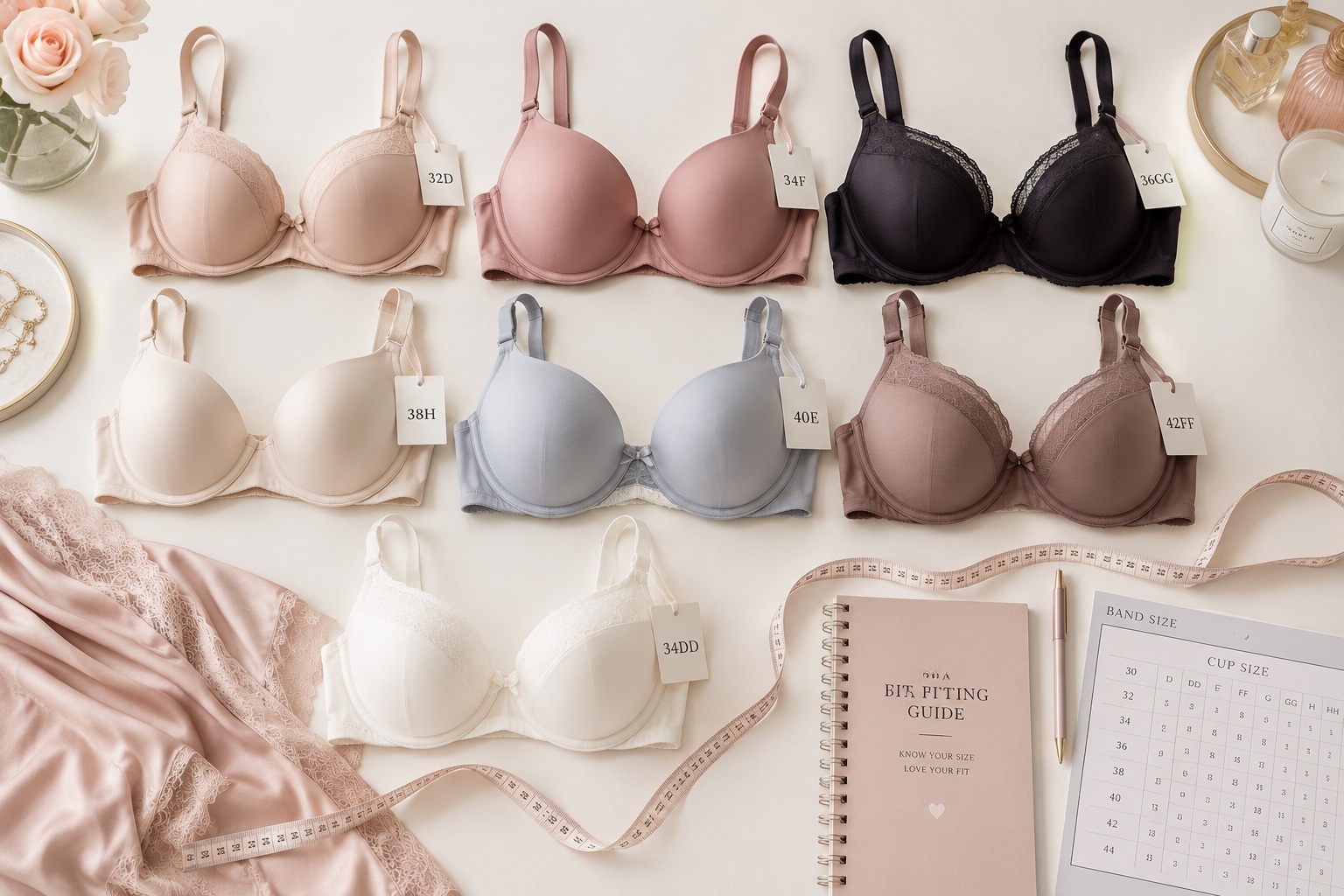
Signs You’re Wearing the Wrong Bra Size
Many women assume discomfort is simply part of wearing a bra. In reality, these are often signs that your bra isn’t fitting correctly.
- Your Bra Straps Dig Into Your Shoulders
If your shoulders are carrying most of the weight, your bra band is probably not providing enough support.
A correctly fitted bra gets around 80% of its support from the band, while the straps simply help keep the cups in position.
Related reading: Why 80% of Bra Support Comes from the Band
- Your Bra Rides Up at the Back
If the back of your bra creeps upwards during the day, the band is usually too loose.
A properly fitted band should sit level all the way around your body and stay comfortably in place.
Related reading: Why Your Bra Rides Up at the Back (And How to Fix It)
- Your Breasts Spill Over the Cups
If you’re noticing bulging over the top or sides of the cups, the cups are likely too small.
Besides being uncomfortable, this reduces support and can affect how your clothes fit.
- There Is Space Inside the Cups
Gaping cups don’t always mean the cups are too large.
Sometimes the bra shape simply doesn’t suit your breast shape. Different bra styles fit differently, which is why trying a variety of styles during a professional fitting is so valuable.
Understanding How Bra Sizes Work
Bra sizing is made up of two equally important parts:
Band Size
The number (for example, 32, 34, 36, or 38) refers to the band that fits around your ribcage.
The band provides the majority of the support, so it needs to fit snugly without feeling uncomfortable.
Cup Size
The letter (such as C, D, DD, E, F, FF, G, GG, H, or HH) refers to the cup volume, but it only has meaning when paired with the band size.
This is where many women become confused. A larger cup letter does not automatically mean a larger breast size, and the same cup letter does not represent the same cup size across different band sizes.
For example, a 34HH and a 46E are designed for two completely different body shapes. Although HH appears to be a much larger cup than E, the 46E is actually designed to accommodate a much larger breast volume because it is built on a significantly larger band size. This is why you can never compare cup letters on their own.
The reverse is also true. Consider a 34D and a 42D. Both bras have a D cup, but they are not the same cup size. The cups on a 42D are much larger and hold considerably more breast volume than those on a 34D because they are designed to fit a much larger ribcage and bust. Although the letter is identical, the actual size of the cups is completely different.
A simple way to think about it is this: the cup letter tells you the proportion of the cup relative to the band, not an absolute breast size. As the band size increases, the cups become larger too—even if the cup letter stays the same.
This is one of the reasons professional bra fitting is so valuable. Instead of focusing only on the number or the letter, an experienced bra fitter looks at the complete size, your body shape, and how each bra fits to find the most supportive and comfortable option.
Why Measuring Yourself Isn’t Always Enough
Many online bra size calculators and measuring guides can provide a helpful starting point, but they don’t tell the whole story.
Two women with almost identical measurements may need completely different bras because everybody is unique.
A professional bra fitting takes much more into account than simple measurements.
Factors that influence the best fit include:
- Breast shape
- Breast position
- Tissue density
- Shoulder shape
- Rib cage shape
- Personal comfort preferences
- The style and construction of the bra
This is why the same size can fit perfectly in one bra but feel completely wrong in another.
The Unique Challenges of Fuller Bust Women
Women with fuller busts often need much more than simply a larger cup size.
A supportive bra should offer:
- A firm, supportive band
- Carefully engineered cup construction
- Wider, comfortable straps
- High-quality fabrics
- Excellent side support
- A wider range of cup sizes
Unfortunately, many mainstream retailers simply don’t stock these specialised options, leaving women believing that comfortable bras don’t exist.
The reality is that the right bra often just isn’t available in ordinary clothing stores.
The Benefits of a Professional Bra Fitting
A professional bra fitting removes the guesswork and gives you confidence that you’re wearing the correct size and style.
At Lady Things Bra Boutique, every fitting is private, personalised, and designed around your individual needs.
During your fitting, you’ll receive expert guidance to help you find bras that offer:
- Accurate sizing
- Better support
- Improved comfort
- A more flattering silhouette
- Styles suited to your body shape
- Access to specialist fuller bust sizes that are difficult to find elsewhere
Our goal isn’t simply to sell you a bra—it’s to help you find bras that you genuinely enjoy wearing every day.
Related reading: What Happens During a Professional Bra Fitting at Lady Things?
How Often Should You Check Your Bra Size?
Your bra size can change more often than many people realise.
Changes may occur because of:
- Weight gain or weight loss
- Pregnancy
- Breastfeeding
- Hormonal changes
- Menopause
- Ageing
- Changes in exercise routines
Even if your weight hasn’t changed significantly, it’s a good idea to have a professional bra fitting every 12 – 24 months to make sure you’re still wearing the correct size.
Find Your Perfect Fit at Lady Things Bra Boutique
If you’ve been struggling to find your bra size, constantly adjusting uncomfortable bras, or leaving stores feeling disappointed, you don’t have to keep guessing.
At Lady Things Bra Boutique, we specialise in helping fuller bust women discover supportive, comfortable bras that fit beautifully.
Our private one-on-one fittings take the stress out of bra shopping, giving you expert advice in a relaxed and welcoming environment.
If you’re looking for a professional bra fitting in Pretoria, we’d love to help you experience the difference that the right bra can make.
FAQs
Yes. Your bra size can change because of weight fluctuations, pregnancy, breastfeeding, hormonal changes, menopause, ageing, and even changes in muscle tone. It’s normal for your size to change over time.
Home measurements can provide a useful starting point, but they cannot account for breast shape, tissue distribution, or differences between bra styles. A professional bra fitting offers a far more accurate assessment.
We recommend having a professional bra fitting approximately every 12 – 24 months, or sooner if you’ve experienced significant body changes such as weight loss, pregnancy, or hormonal changes.
Many retailers only stock a limited range of sizes, particularly for fuller bust women. Specialist bra boutiques like Lady Things offer a much wider selection of band and cup combinations designed to provide proper support and comfort.

